

Corporate Nonprofit Partnerships: What Sponsors Expect
When evaluating a corporate sponsorship, companies are often looking for more than logo placement. They want opportunities that support their corporate social responsibility goals, strengthen customer trust, and create shared value for both the business and the community.
Strong corporate nonprofit partnerships show that an organization is credible, prepared, and connected to a community the company wants to support. A sponsor may care about visibility, employee pride, customer relationships, or local impact, but it also needs to know its support will be managed well.
The most successful sponsorship conversations begin before the first email or proposal is sent.
Key Takeaways
- Corporate sponsors look for more than logo placement; they want credible partnerships that support community impact, employee engagement, customer trust, and corporate social responsibility goals.
- A strong sponsorship proposal connects the nonprofit’s mission to the company’s priorities and clearly explains the program, budget, requested support, sponsor benefits, and expected outcomes.
- Sponsorship value can include volunteer opportunities, matching gifts, cause marketing, donated products, professional expertise, and concise impact reporting—not only public recognition.
- Written agreements should define funding, deliverables, deadlines, recognition, communication, reporting, and cancellation terms while avoiding promises the nonprofit cannot control.
- Long-term partnerships grow through prompt stewardship, reliable follow-through, respectful engagement with program participants, and regular communication after the initial contribution.
What Corporate Nonprofit Partnerships Need to Show
Corporate nonprofit partnerships begin with a clear understanding of what sponsors need to evaluate. Corporate giving teams receive many requests, often tied to meaningful causes, yet the opportunity may be unclear. An organization may ask for $10,000, offer a logo on a flyer, and leave the sponsor guessing about who benefits, how the opportunity supports its business priorities, or what happens next.
That approach makes it hard for a company to say yes.
Strong nonprofit corporate partnerships show how a nonprofit’s mission connects with a company’s values, corporate philanthropy goals, and broader community reputation. A regional grocery company may be a strong fit for a food pantry. A bank may connect with financial literacy, workforce development, or affordable housing. A pet supply business may have a natural interest in animal rescue.
Mission alignment does not need to be perfect. It needs to be believable and easy to explain internally. The employee presenting your request may need approval from a marketing director, a community relations manager, or a local leadership team. Give them a simple case they can carry into that meeting, including how the partnership can support brand awareness while advancing a shared mission.
Sponsors also look for signs that your nonprofit has a stable foundation:
- A clear mission and programs that address a defined community need.
- Leadership and board members who are active, reachable, and prepared to represent the organization.
- A realistic budget that shows how sponsorship funds will be used.
- Basic impact information, such as families served, meals distributed, students reached, or animals placed in homes.
- A public presence that gives a company confidence, including an updated website, active nonprofit directory listing, and accurate social media accounts.
A smaller nonprofit does not need a large audience to be sponsor-ready. It does need a focused story, a professional process, and an honest understanding of its reach. The strongest nonprofit corporate partnerships make mission alignment clear without overstating the organization’s size or influence.
A sponsor can work with modest attendance or a small mailing list. It cannot work with vague promises, missing details, or unanswered follow-up.

Present a Sponsorship Opportunity, Not a General Ask
A request for direct donations says, “We need support.” A corporate sponsorship opportunity says, “Here is a program or event where your support will create a defined community outcome, and here is how we will recognize your participation.”
That difference matters, especially during fundraising campaigns when companies are evaluating multiple ways to contribute.
Start with one clear purpose. If you are hosting a school supply drive, explain the need, the number of students you plan to serve, the timing, the location, and the expected cost. If you are seeking support for an ongoing program, explain the annual need and what a sponsor’s funding makes possible.
Avoid combining too many projects in one proposal. A company should not have to sort through an event, a capital campaign, a volunteer request, and a general operating need to understand where its money goes. Lead with the opportunity that best fits the company, and make your nonprofit value proposition clear to each prospective donor.
A useful corporate sponsorship proposal usually includes the following information:
- A short description of your organization, the problem you address, and the people you serve.
- The specific program, event, or campaign that needs sponsorship support.
- A simple budget and the amount requested, with available sponsorship levels if they are appropriate.
- A description of sponsor recognition, participation opportunities, and accepted in-kind contributions.
- Expected outcomes, reporting dates, and a named staff contact.
Sponsorship levels should be based on real costs and real benefits. Don’t create a $25,000 top tier because it sounds impressive if the organization has no plan to deliver a meaningful corporate sponsorship partnership at that level.
For example, a $5,000 sponsor for a weekend food distribution event might fund food purchases, transportation, family resource materials, and volunteer supplies. The proposal can state that the sponsor will be recognized at the event, thanked in post-event communications, invited to volunteer, and included in an impact report.
That is clear. It gives the business a role in the work, not only a logo placement, and helps fundraising campaigns attract partners who understand the outcome their support will create.
Show Sponsor Value Beyond a Logo
Logo placement has a place in sponsorship. Companies need recognition, especially when they support public events. Still, a logo on a banner is rarely enough to build a lasting relationship or demonstrate meaningful corporate social responsibility.
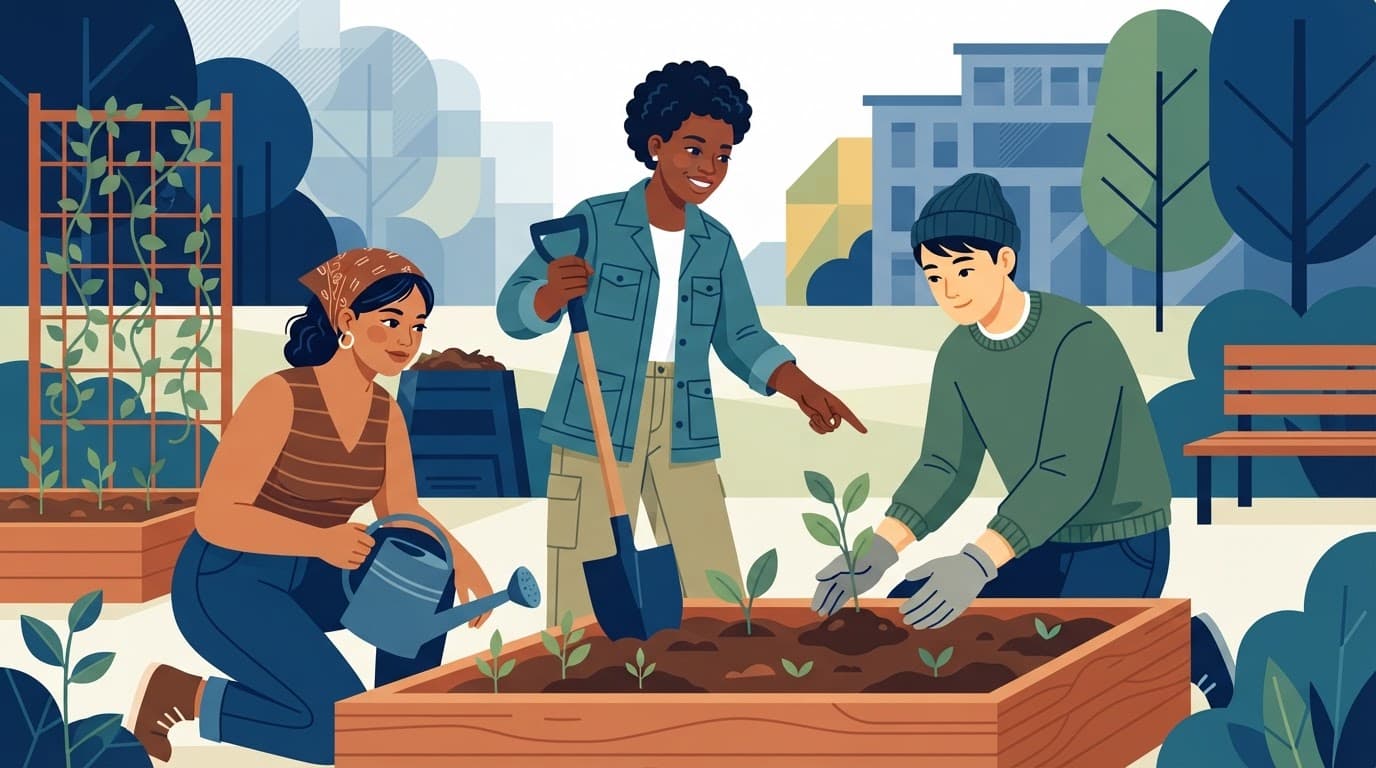
The strongest corporate nonprofit partnerships give companies several ways to participate while keeping the mission at the center. This may include employee volunteer days, matching-gift campaigns, cause marketing campaigns, donated products, professional expertise, or volunteer opportunities that allow staff to meet program participants in an appropriate and respectful setting.
A company with employees who care about community service may value volunteer opportunities more than a larger logo. A local business may want a relationship with families in the neighborhood it serves. A corporation with a stated commitment to education may want outcome data that shows how its support reached students, along with opportunities that strengthen employee engagement.
Think about value in three areas:
| What the sponsor may value | What the nonprofit can offer |
|---|---|
| Community credibility | A clear public connection to a trusted local cause |
| Employee engagement | Volunteer roles, site visits, or donation drives |
| Proof of results | A concise report with program outcomes and photos, used with permission |
A corporate partner may also care about customer engagement. A restaurant could invite customers to round up a purchase for a local hunger-relief organization. A retailer could collect supplies for a children’s education program through cause marketing campaigns. These campaigns need planning, clear rules, and staff capacity. They should never become extra work that your organization cannot support.
Other options can extend a partnership beyond a single event. Corporate matching gifts and workplace giving programs can make it easier for employees to support your mission, while giving the company measurable ways to encourage employee engagement. Connect these efforts to clear goals so they support both the nonprofit’s work and the sponsor’s broader community commitments.
Be careful with language around recognition and advertising. In the United States, the IRS treats qualified sponsorship payments differently from advertising in some circumstances. A sponsor’s name, logo, or product line may be acknowledged without affecting the organization’s tax-exempt status, while messages that include pricing, product endorsements, or calls to buy can create different tax questions. Review major agreements with a qualified tax professional or legal adviser.
Set Expectations Before the Agreement Is Signed
A partnership becomes difficult when each side has a different picture of what will happen. Clear agreements are especially important in nonprofit corporate partnerships because they help partner organizations align expectations from the start. The sponsor expects monthly social media posts. The nonprofit planned one thank-you post. The organization expects a check by a certain date. The company is still waiting for an internal approval process.
Put the important details in writing. A clear agreement gives strategic partnerships a stronger foundation and helps create the consistency needed for long-term impact and reliable revenue streams.
Your agreement should identify the sponsorship amount or in-kind contribution, payment schedule, deliverables, deadlines, use of names and logos, contact people, cancellation terms, and reporting plan. If the sponsor has category exclusivity, such as being the only bank recognized at an event, state that clearly.
Do not promise media coverage, turnout, donations, or online reach that you cannot control. You can promise your outreach plan. You can share past attendance or past email engagement as context. Present it as historical information, not a guarantee.
Be direct about capacity as well. If your team cannot host 50 employees for a volunteer day, say so early. A smaller, well-managed volunteer experience is better than a crowded event that creates stress for staff and clients.
When reporting results, separate output from outcome. “We distributed 800 backpacks” is an output. “Families reported that students had the supplies needed to begin school” is closer to an outcome. Both matter, but sponsors need to understand what the numbers mean. This clarity helps nonprofit corporate partnerships remain accountable and focused on meaningful results.
Build the Relationship After the Check Clears
The first contribution is the beginning of the relationship, not the finish line. Corporate contacts change roles, budgets shift, and priorities can move quickly. A nonprofit that only reaches out when it needs money is easy to forget, while consistent stewardship creates a foundation for corporate philanthropy and long-term impact.
Send a prompt thank-you after the commitment is confirmed. Then follow through on every recognition item you promised. If an event is delayed or a program changes, tell the sponsor before it hears the news elsewhere.
A short impact update can be more useful than a glossy annual report. Include the activity funded, two or three meaningful numbers, a brief story with proper consent, and photographs when appropriate. Keep the update connected to the sponsor’s stated interest and its corporate social responsibility goals.
Follow-up can also reveal ways to deepen the partnership beyond the initial contribution. A sponsor may be able to support a future project through grant-based giving, invite employees to participate in workplace giving programs, or increase the value of employee donations through corporate matching gifts. These options can connect financial support with volunteer opportunities and help drive sustainable change without treating program participants as marketing material.
Site visits should protect privacy and dignity. Volunteer opportunities should meet real needs. Employee speakers or mentors should be properly screened and prepared when they work with children or vulnerable groups.
Regular relationship work is often simple:
- Schedule a short check-in after a program, event, or campaign is complete.
- Ask what was useful to the company and what created friction for its staff.
- Share next year’s opportunity early, before the company has finalized its community giving budget.
- Thank the people who made the partnership possible, including local managers and employee volunteers.
Long-term support grows when a sponsor sees consistency. Your nonprofit does what it said it would do, reports what happened, and respects the people at the center of the mission. That reliability gives corporate partners confidence that their support contributes to meaningful, lasting results.
A Concise Sponsor-Readiness Checklist
Before approaching a company for corporate sponsorship, review the opportunity through a sponsor’s eyes. Strong strategic partnerships should create shared value for the nonprofit and the business while building meaningful public support for the cause.
- Can you explain the community need and the program in two or three direct sentences?
- Is the amount requested tied to a real budget, with a clear use for the funds?
- Do you have current impact numbers and permission-based stories or photos available?
- Are recognition benefits realistic, documented, and appropriate for the sponsorship amount?
- Has one staff member or board leader been assigned to manage communication?
- Can you send an agreement, thank-you message, and outcome report on time?
- Does the prospective company have a reasonable connection to your cause, customers, employees, or local community?
If several answers are no, pause and strengthen the opportunity before outreach. Preparation protects your reputation and makes the sponsor’s decision easier.
Frequently Asked Questions
What do companies expect from a nonprofit sponsorship?
Companies typically expect a clear opportunity, realistic benefits, strong mission alignment, and evidence that their support will be managed responsibly. They may also value employee engagement, customer connection, community credibility, and measurable outcomes.
How can a small nonprofit attract corporate sponsors?
A small nonprofit can be sponsor-ready by presenting a focused story, a realistic budget, clear impact information, and a professional communication process. It does not need a large audience, but it should be honest about its reach and specific about what the partnership will accomplish.
What should a corporate sponsorship proposal include?
A proposal should describe the nonprofit, the community need, the program or event, the amount requested, the budget, recognition opportunities, expected outcomes, and the primary staff contact. It should make the sponsor’s role and the community benefit easy to understand.
Are sponsorship benefits limited to logo placement?
No. Companies may also value volunteer opportunities, matching-gift campaigns, workplace giving, cause marketing, donated products, professional expertise, and impact reports. The best benefits are connected to the sponsor’s priorities and can be delivered consistently by the nonprofit.
How can a nonprofit retain a corporate sponsor after the first contribution?
Thank the sponsor promptly, deliver every promised benefit, provide a concise impact update, and communicate early about changes or future opportunities. Consistent follow-through and respectful relationship-building give companies confidence to continue supporting the mission.
Build Partnerships That Carry the Mission Forward
Corporate nonprofit partnerships work when both sides understand the purpose of the relationship. A company receives credible community involvement, employee connection, and clear reporting, while the nonprofit gains resources, visibility, and a partner that can help sustain its work. These nonprofit corporate partnerships create meaningful value for both partner organizations.
The strongest proposal is not the one with the most sponsor benefits. It is the one that makes a clear promise, keeps that promise, and shows how the community grew stronger because the partnership existed. Effective corporate nonprofit partnerships and other strategic partnerships can advance corporate social responsibility, increase brand awareness, and help nonprofit corporate partnerships build trust that strengthens future fundraising campaigns.


Leave a Reply